pctechguide.com

  • Home
  • Guides
  • Tutorials
  • Articles
  • Reviews
  • Glossary
  • Contact

How To Use The Google Authenticator App to Protect Your Google Account

In a previous post, I talked about enabling two factor authentication on your Google account. Just to rehash, two-factor authentication adds another layer of protection in your authentication method. You still login using your username and password. But, before you can go any further, a random number is generated and sent to a registered device. The device is typically a mobile phone. But, it can also be a specialty device that generates these numbers.

This means that even if someone guesses your password, they will still need access to your registered device to receive the special code. And, if they somehow get a special code one time it will change in a short amount of time. Two-factor authentication is so easy to set up that it really should be used when possible to add that extra layer of security to accounts.

You can read the previous post on how to enable two-factor authentication on the Google account. But, if you stop there you will receive your codes by text messaging. There is also an app you can install on your phone called the Google Authenticator App that will generate those codes for you. This is good if you do not want to pay for texts or if you would just rather have an app controlling this.

The first thing you need to do is to install the Google Authenticator App on your mobile device. You can go here to find the links for your appropriate device. Once you have installed the app on your phone, then you can proceed with the next steps.

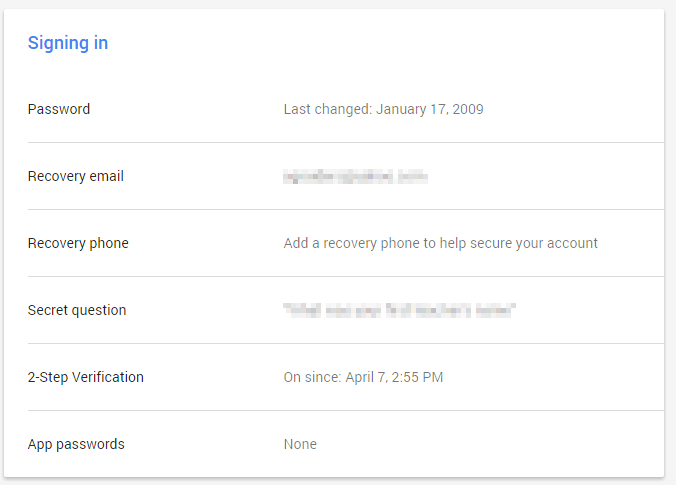
Next you need to login to your Google account at https://accounts.google.com. Once you will scroll down to the area that says “Signing In” and click on the “2-Step Verification Section”
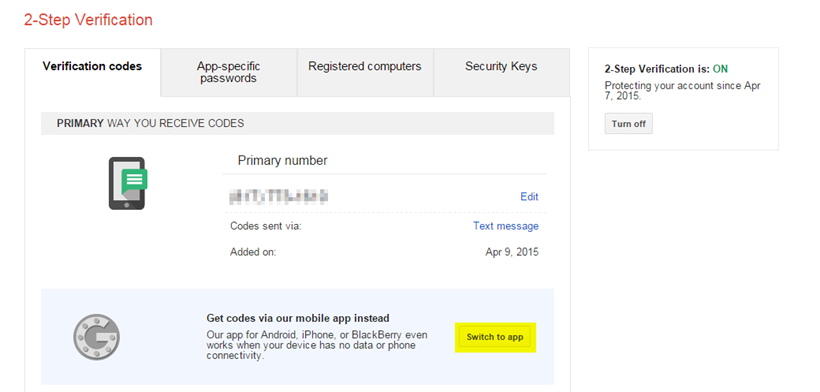
You will be taken to the next screen. As you will see the default when you enable 2-factor authentication is to use Text Message. To change to Google Authenticator App, you will need to click on the button that says “Switch to App”


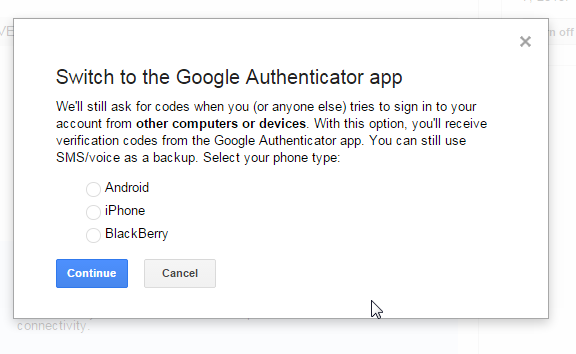
The next screen will have you pick your device type
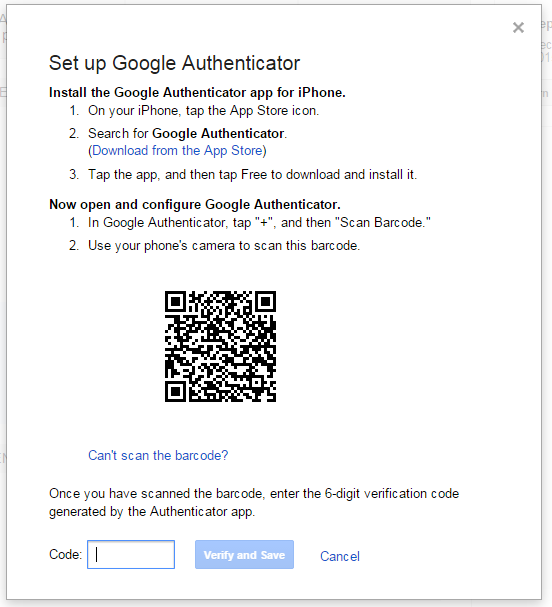
The next step will register your device with your account. You will get a screen with a barcode in the middle. This is what the screen will look like. But, you need to add an account to your app first
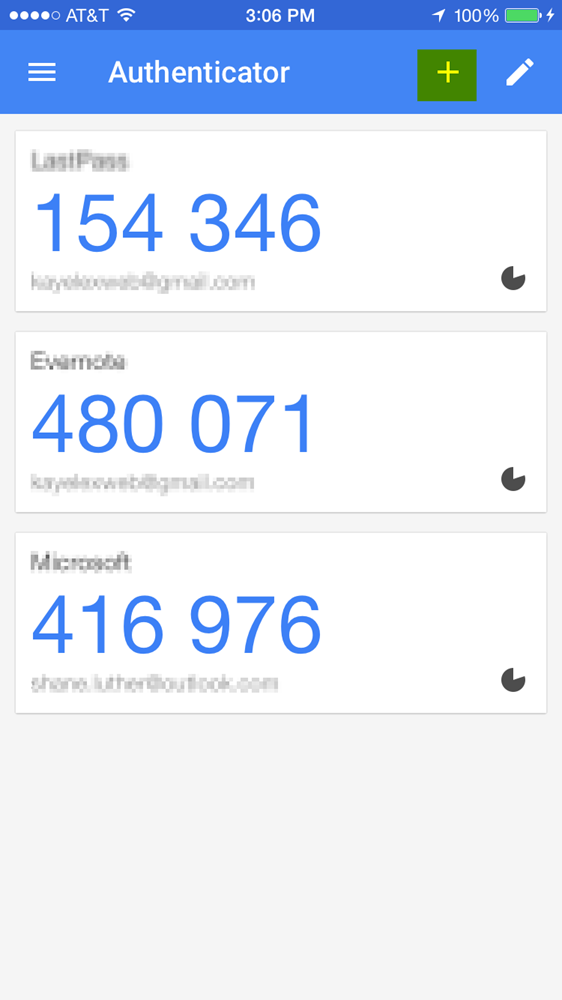
Open the app on your phone and click on the + sign to add an account
 

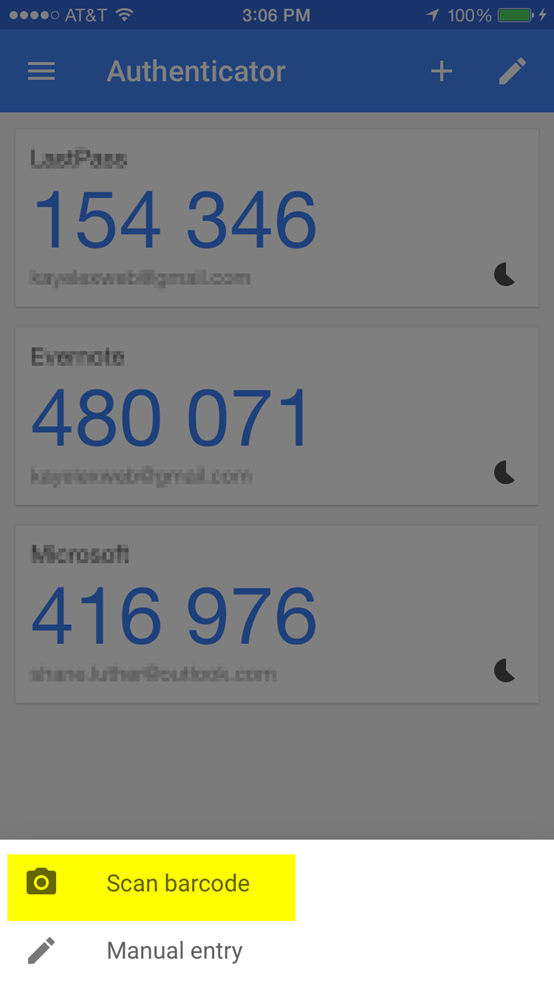
Click on the link that says “Scan Barcode”. It will open up a camera where you can hold it towards the barcode on your computer screen.
 

As you can see it has now added another entry for Google. This is the one you will use to login from now on
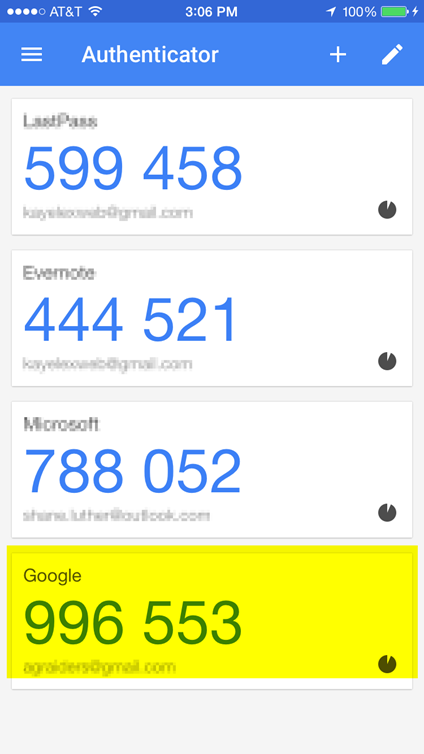
Your account is now set up to use the Google Authenticator App to login. From now on when you log into any Google property like Gmail, Calendar, Tasks, etc, you will use your username and password. But, it before going any further it will ask you for the 6-digit code on your phone inside the app. This code changes every 30 seconds on your phone as shown by the count down icon. If you do not enter the code in before the time expires, you will have to wait for a new number to be generated.


Filed Under: Articles

Latest Articles

Why VoIP Is Better than Plain Old Telephone Systems

If you have been following the blog lately, you know we have been talking about VoIP a bit lately. We have talked about if you should cut your landline and convert to VoIP. But, today we will pitch our hat into the ring and extoll why we think that VoIP is really the way to go for business these … [Read More...]

Moore’s Law in IT Architecture

According to Moore's Law formulated in 1965 by Gordon Moore, co-founder of Intel), the number of transistors per integrated circuit would double every 18 months. Moore predicted that this trend would hold for the next ten years. In fact, … [Read More...]

Solid Ink Printers

Marketed almost exclusively by Tektronix, solid ink printers are page printers that use solid wax ink sticks in a phase-change process. They work by liquefying wax ink sticks into reservoirs, and then squirting the ink onto a transfer drum, … [Read More...]

Importance of Inbound Marketing in the Digital Age

A couple of months ago, Zacks reported that Hubspot was starting to make some major changes to its inbound marketing strategy. They talk a lot about … [Read More...]

Damage Control Strategies for Resolving Online PR Crises

Last July, Astrologer faced a major crisis after its CEO went viral at a ColdPlay concert when having an affair. This was just one of the many times a … [Read More...]

AI is Not Killing Computer Jobs Like Doomers Projected

There is no denying the reality that AI technology has played a massive role in disrupting our lives. A growing number of people claim that AI … [Read More...]

Everything You Need to Know About Sourcing Circuit Boards From U.S. Suppliers

In This Article This article includes: Why Source PCBs From the United States?How to Get a Quote From a U.S.-Based PCB ManufacturerThe Top U.S. … [Read More...]

Top Taplio Alternatives in 2025 : Why MagicPost Leads for LinkedIn Posting ?

LinkedIn has become a strong platform for professionals, creators, and businesses to establish authority, grow networks, and elicit engagement. Simple … [Read More...]

Shocking Cybercrime Statistics for 2025

People all over the world are becoming more concerned about cybercrime than ever. We have recently collected some statistics on this topic and … [Read More...]

Guides

  • Computer Communications
  • Mobile Computing
  • PC Components
  • PC Data Storage
  • PC Input-Output
  • PC Multimedia
  • Processors (CPUs)

Recent Posts

Show Days Until Christmas When Clicking Web Button with Python and JS

Are you looking to create a web application that will tell your visitors how many days until Christmas when they click a button? There are several … [Read More...]

Google Calendar Will No Longer Support SMS Alerts

Google Calendar is one of the most popular calendar services available online. It is extremely useful and versatile. If you have been using this … [Read More...]

Hard Disk SMART Drives

In 1992, IBM began shipping 3.5-inch hard disk drives that could actually predict their own failure - an industry first. … [Read More...]

[footer_backtotop]

Copyright © 2026 About | Privacy | Contact Information | Wrtie For Us | Disclaimer | Copyright License | Authors